Pull up the two counties side by side on any portal and the story looks obvious. Athens sits higher, Madison sits lower, and the gap between them reads like a commute tax you can pay in minutes on Highway 29.
The gap is real. It is not a discount. The Madison County home at the lower median comes with a different set of systems attached to it, a different loan product available to buy it, and a different set of diligence items that will surface between offer and close. Understanding those differences is the whole point of shopping outside the city line.
Start with the per-square-foot number, not the median
The median sale price hides the trade. The per-square-foot number gives it away.
| Metric | Athens (Clarke) | Madison County |
|---|---|---|
| Median sale price, most recent month | ~$355K (trailing 3 mo, May 2026 per Redfin); $392,800 (Jun 2026 per Movoto) | ~$330K (Jun 2026 per Redfin) |
| Median $/sqft | ~$197 | ~$191 |
| Days on market | 53 (Athens, 3-mo) | 37 (pending, ZHVI) |
| Effective property tax rate | Higher (Clarke homestead $10K) | ~0.83% |
The median dollar gap is about $25K to $60K depending on which snapshot you trust. The per-square-foot gap is roughly $6. That means the Madison County home is not primarily cheaper. It is primarily bigger, on more land, further from services. You are not buying the same house for less. You are buying a different house for a similar price per finished foot, and the delta is showing up as square footage, acreage, and infrastructure you now own outright.
What the price actually pays for
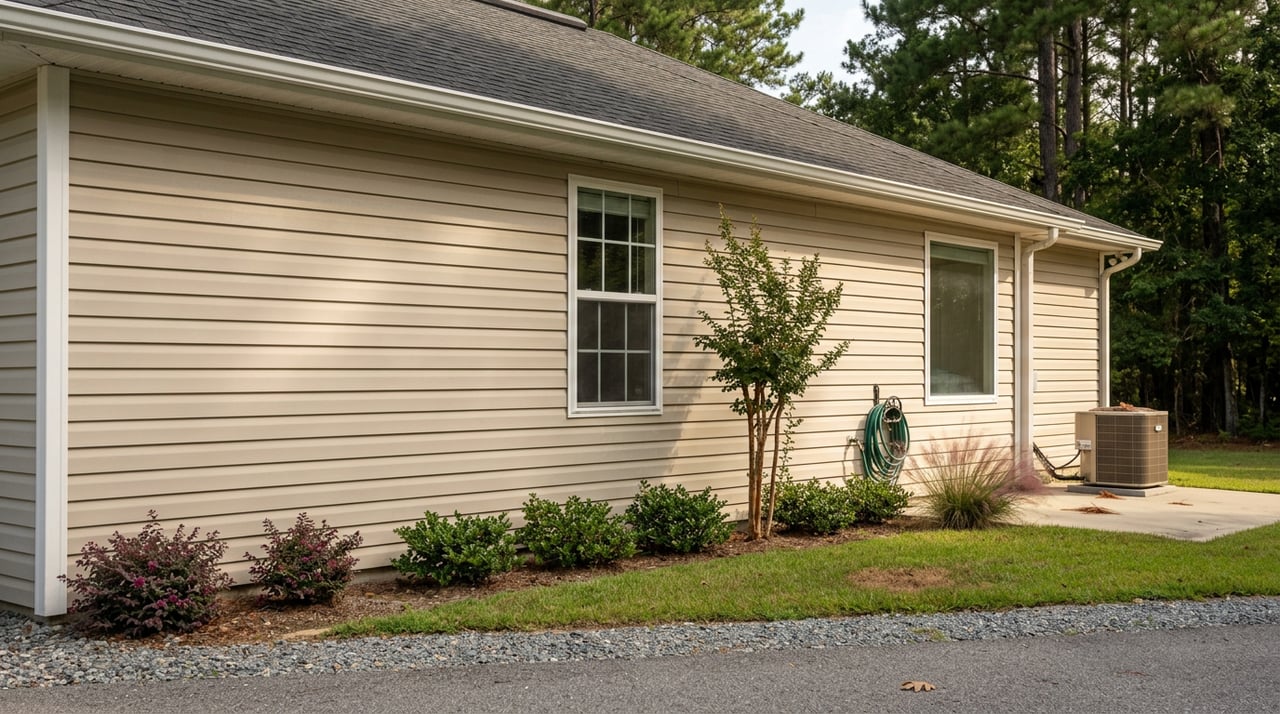
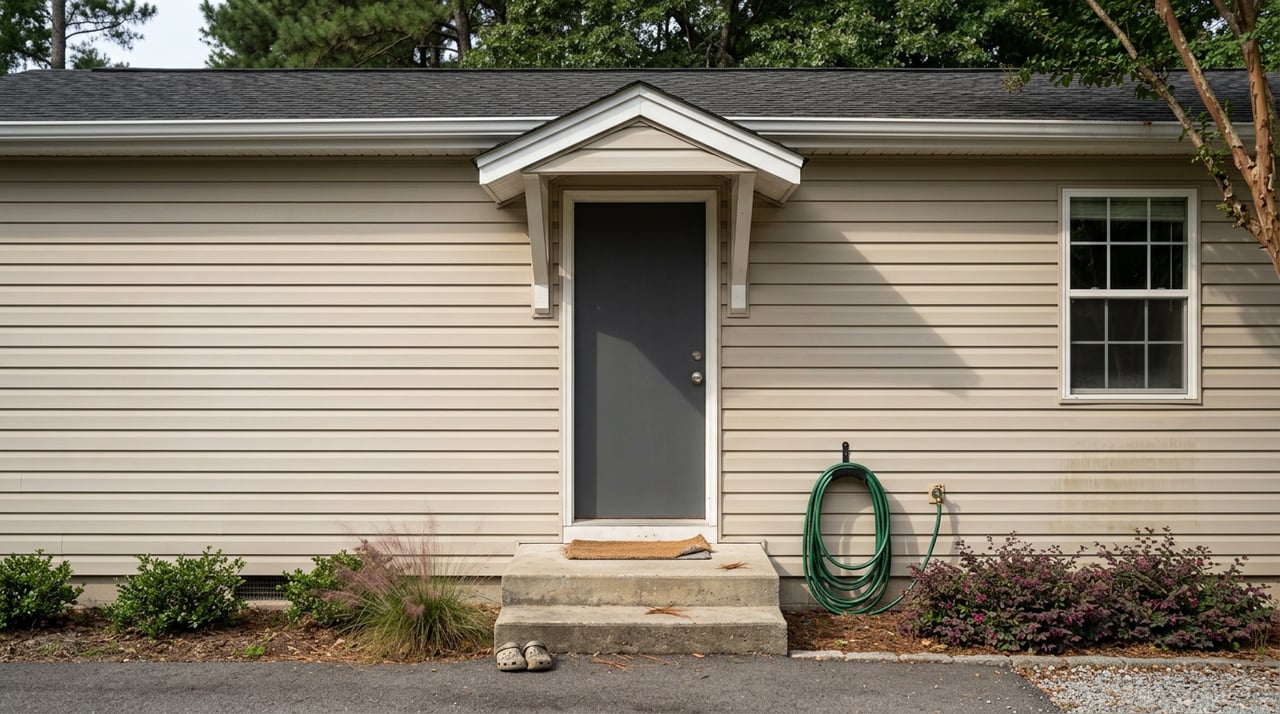
The Athens buyer at $355K is usually getting municipal water, municipal sewer, a lot measured in tenths of an acre, and a fifteen-minute drive to a grocery store. The Madison County buyer at $330K is often getting:
- A private well drawing from fractured crystalline rock at moderate depth
- A septic tank and drain field sized to the soil that percs
- One to twenty acres, most commonly under A-1 or A-2 zoning
- A paved-road frontage requirement for USDA financing eligibility
- A driveway, a propane tank, and a well pressure tank the buyer is now responsible for
None of that is a defect. It is the trade. But every item on that list is a diligence step that does not exist inside the Athens-Clarke unified government footprint, and each one has a cost and a failure mode the Athens buyer will never confront.
The USDA loan quietly rewrites the down-payment math
Nearly every populated place in Madison County (Colbert, Comer, Danielsville, Hull, Ila, Carlton) sits inside a USDA-eligible census tract. That single fact changes what the affordable price band actually looks like.
The USDA Single Family Housing Guaranteed Loan is a zero-down product for owner-occupants within income limits. Recent USDA Rural Development data for Madison County shows 221 active USDA-backed loans in the county with an average balance of about $115,974, that 87% of those loans went to first-time buyers, and that the average borrower was 38 years old on a home averaging 1,667 square feet. Read that as a market signal: a substantial share of Madison County entry-level buyers are financing with a product that Athens in-town buyers cannot access on the same block.
The Athens buyer is comparing a 3% conventional or 3.5% FHA payment against rent. The Madison County buyer with USDA eligibility is comparing zero down against rent. Those are not the same calculation, and they explain a lot of the demand pattern you see across the county line.
There is a catch, and it is where transactions actually break. USDA requires that the property sit on a paved or all-weather road, that the well and septic pass health-department inspection, and that any well within a defined setback of the septic field be tested and documented. Homes on gravel-only easements, homes with shared wells, and homes with older cesspools all fail these checks, and they fail late in underwriting when the appraisal report arrives. Ask about road surface and system age before you write the offer, not after.
Red clay is a diligence item, not a landscape note
Madison County sits in the Piedmont, and the topsoil is a mix of red clay and sandy clay loam over fractured crystalline bedrock. Local septic contractors describe the terrain as workable but variable: sandier ridge tops handle conventional drain fields, while heavier clay bottoms often require alternative treatment systems that cost meaningfully more to install and replace.
If a listing shows a house on a low, wooded lot with a creek, the septic question is not optional. Line up an inspection with a certified local contractor before the option period ends. Fortson Well Drilling & Boring in Danielsville, Harold L. Allen Septic in Hull, McCannon Well & Pump in Comer, and Athens Septic & Drain in Hull all run inspections for property transfers and can flag a system nearing end of life before the appraiser gets there. Replacement of a conventional 1,000-gallon tank with a compliant alternative system on clay soils can run into five figures. Knowing that before you negotiate is the difference between a credit at closing and an unpleasant surprise in month four.
What A-2 zoning does to the acreage comp
The land side of Madison County trades on a different logic than the improved-home side. Current asking prices on wooded and pasture tracts around Danielsville, Colbert, and Comer are running in the low teens per acre for larger parcels (one 24-acre Danielsville tract is currently priced at roughly $14,500 per acre) and much higher per acre on smaller building lots near town. A 1.52-acre building lot in Madison Preserve near Colbert is asking $65,000. A 6.87-acre Commerce-address tract inside Madison County with a new septic already installed is asking $295,000.
Those numbers reward buyers who read the zoning map before they read the listing. A-1 and A-2 designations set minimum lot sizes, allow accompanying agricultural uses, and shape what the neighbor can build next door. A buyer treating "acreage" as a single commodity is going to miss the difference between an 11-acre A-2 estate lot on Veterans Drive and a similar-sized parcel with no road frontage tied up in a family plat. The site work is where the price actually gets decided.
The correction everyone is watching
North Georgia's late-2026 market is soft by 2022 standards. Madison County's median sale price is down 5.6% year over year even as the per-square-foot number is up 8.5%, which is the fingerprint of buyers trading down in size rather than the market losing value on a like-for-like basis. The Norton Native Intelligence report cited in local coverage this spring describes the 2026 through 2028 window as a controlled rebalancing across North Georgia rather than a downturn, with affordability pressure and rate stickiness pulling median prices sideways.
For a Madison County buyer, that framing matters more than the headline. In a rebalancing market, days on market lengthens, seller concessions come back into the negotiation, and the diligence items above become bargaining chips instead of deal-breakers. A well that tests marginal, a septic system at 25 years old, a driveway that fails the USDA all-weather test: these are all repriceable if you know to ask.
FAQ
Is the Madison County property tax really lower than Clarke County?
The effective rate is lower. Ownwell's county-level analysis puts Madison County's median effective property tax rate near 0.83% with a median annual bill around $1,984, below the Georgia state median. Clarke County's homestead exemption is $10,000, but the millage stack in Athens pushes the annualized bill higher on comparable market value. Run your own numbers with the county tax commissioner before you underwrite.
Can I buy a Madison County house with a conventional loan instead of USDA?
Yes. USDA is available; it is not required. Conventional and FHA both work, and the well and septic inspection expectations differ slightly by product. If you are not income-eligible for USDA or you want a second home, conventional is your path.
What actually breaks Madison County closings?
Three things, in order: septic systems that fail inspection or lack a permit on file with the county, wells that fail bacteria or nitrate testing, and driveways or access easements that do not meet the lender's all-weather standard. All three are diagnosable in the first week of due diligence.
How does the Hudson River frontage figure into acreage pricing?
A creek or river across a tract adds appraised value where the frontage is usable and buildable, and it can subtract value where it forces the septic field to a less favorable soil zone. Field-check the setbacks before you assume waterfront is a premium.
The Madison County market rewards buyers who show up with the right questions. If you want a walk-through of what the current listings actually pay for once you strip out the systems and the zoning, Homes with HP is happy to sit down and read the comps line by line with you. Book your white-glove consultation.